%2Ffit-in%2F250x250%2Fguide_websites%2F11889%2Fimages%2Fscreenshot2023-11-29074622.png&w=1920&q=100)
Speckled Trout and Drum Fishing in Corpus Christi TX
Speckled Trout and Drum Fishing in Corpus Christi - What to Expect
%2F%2Fusers%2F750e6886-154c-445a-b9b2-52d9af82ef56%2Fimages%2Fcorpus-christi-trout-drum-catch-2751.jpg&w=1920&q=75)
Fishing Charter by Captain Ryan Mccain in July
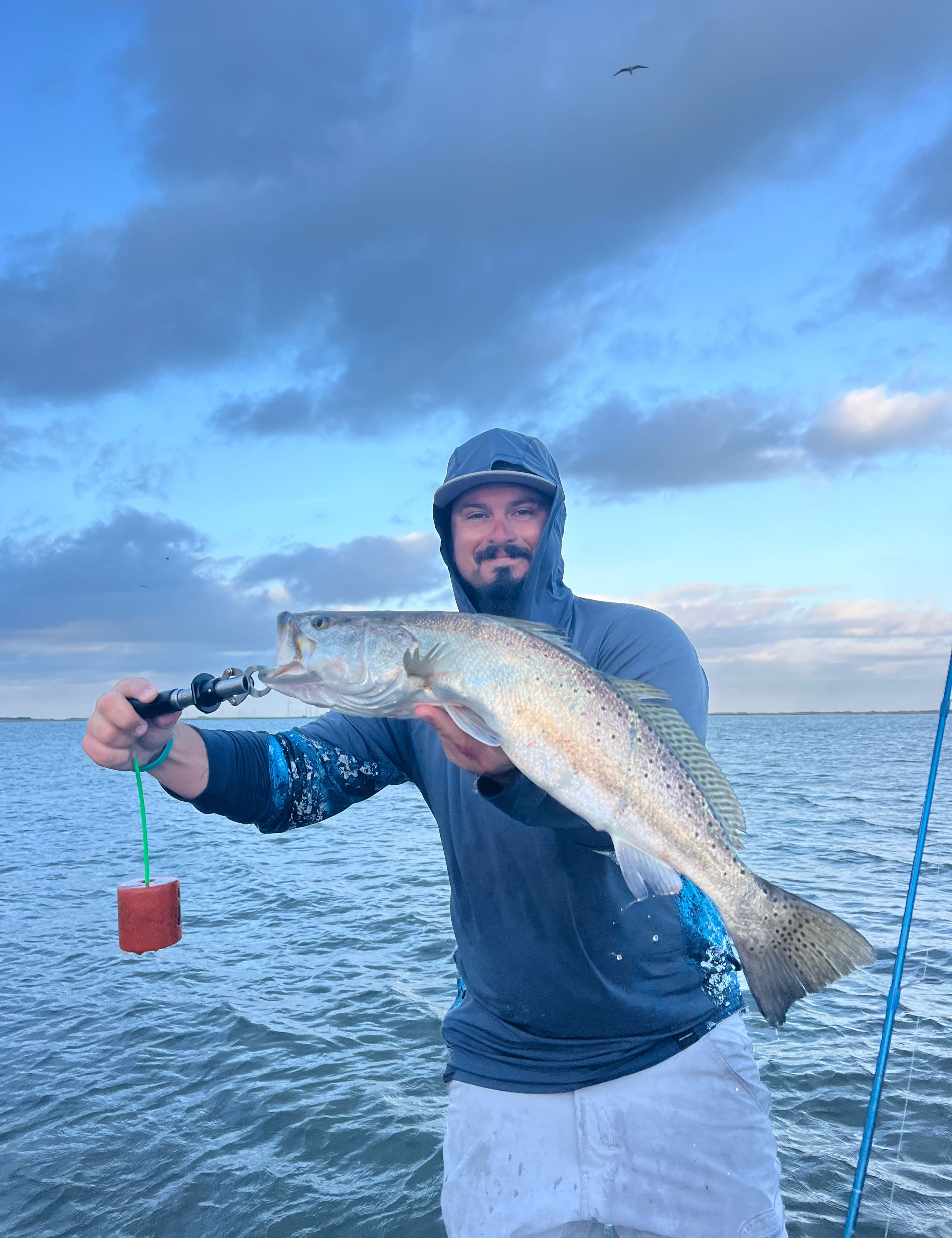
Meet your Captain Ryan Mccain
- Book Your Next Fishing Trip in Corpus Christi Now!


Summary
Join Captain Ryan McCain of McCain's Shallow Water Experience on a Saturday in July for an unforgettable fishing charter in Corpus Christi. This shallow water fishing charter targets speckled trout and freshwater drum in prime local waters, combining expert local knowledge with proven techniques that consistently deliver memorable catches and authentic Texas coastal fishing experiences.
Fishing Charter with Captain Ryan McCain - Rates & Booking
Captain Ryan McCain of McCain's Shallow Water Experience heads out on Saturday, July 11th for an exceptional shallow water fishing experience in Corpus Christi. This fishing charter puts you on the water during prime feeding times when speckled trout and freshwater drum are most active in the coastal shallows.
What makes this charter stand out is the focus on accessible yet productive shallow water tactics. You'll be guided by a captain with deep local knowledge of the Corpus Christi bays and flats, where these species thrive year-round. The trip accommodates multiple anglers, creating a group experience where everyone shares in the action and camaraderie of a successful day on the water.
To book your spot or learn about current rates and availability for this fishing charter, reach out directly to McCain's Shallow Water Experience. Spot availability fills quickly during peak season, so reserve your date today.
Highlights of Your Shallow Water Fishing Adventure
The standout moment of any successful trip like this is the visual reward - watching experienced anglers work the shallows and landing quality catches that tell the story of a day well spent. The combination of speckled trout and freshwater drum creates variety in the fishing experience, with different tactics and presentations keeping the action engaging throughout your time on the water.
Corpus Christi's shallow water ecosystem offers the unique appeal of sight-fishing opportunities. When conditions align, anglers can actually see their quarry cruising the flats, adding an element of hunt and anticipation that deepens the connection to the experience. This intimate, visual approach to coastal fishing is what draws enthusiasts back to these waters season after season.
Local Species Insights: Speckled Trout and Freshwater Drum
Speckled trout are the crown jewel of Texas coastal fishing. These spotted beauties inhabit the shallow bays and grass flats around Corpus Christi, where they hunt small baitfish and shrimp in water depths that rarely exceed a few feet. Their name comes from the distinctive dark spots scattered across their backs and sides, and they're known for their explosive surface strikes and acrobatic fights. Speckled trout prefer structure like grass beds, oyster reefs, and channel drops where they can ambush prey, making them a perfect target for sight-casting and shallow-water tactics.
The water temperature and seasonal patterns significantly influence speckled trout behavior. During warmer months, they're most active during early morning and late afternoon when light angles and water conditions align perfectly for feeding. Successful anglers match the hatch with natural-looking lures or live bait presentations that mimic the local forage species.
Freshwater drum, often called sheepshead locally, add another dimension to the fishing challenge. These hard-fighting fish inhabit the same shallow ecosystems as speckled trout but often focus on harder-bodied prey like crustaceans and mollusks. Their crushing bite and strong runs make them exciting adversaries, and landing one of these bronze-colored fighters creates its own memorable moment on the water. Drum are more tolerant of varying conditions and can be found in slightly deeper channels and around structure where they hunt along the bottom.
The shallow bays surrounding Corpus Christi support both species year-round, though their exact locations shift with season and tidal movements. Understanding these patterns is where local guide expertise makes the difference between an okay day and a remarkable one. Captain McCain's knowledge of where these fish concentrate at different times means more consistent action and better odds of memorable catches for your group.
Fishing in Corpus Christi: Freshwater Drum and Spotted Weakfish
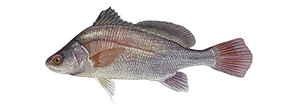
Freshwater Drum Overview
The Freshwater Drum (Aplodinotus grunniens) is a fascinating and prolific gamefish belonging to the family Sciaenidae and order Perciformes. This carnivorous species is native to freshwaters across North America and has earned numerous colorful nicknames—including croaker, thunder pumper, grunter, grinder, and bubbler—all derived from the distinctive grunting and rumbling sounds the males produce during spawning season. With its striking silver scales and bluish-grey overcast, combined with a prominently arched back and white belly, the Freshwater Drum is one of the most abundant and recognizable freshwater fish in the country. What makes this species truly special is not just its appearance, but its quirky behavior and the cultural significance it holds; Native Americans have traditionally worn the fish's large, ivory-like ear bone—sometimes called a "Lucky Stone"—as jewelry. Whether you're an angler seeking an easy and rewarding catch or simply curious about North American freshwater ecosystems, the Freshwater Drum offers an engaging and memorable experience.
Freshwater Drum Habitat and Distribution
The Freshwater Drum enjoys a widespread distribution across virtually every major lake and river system throughout the United States, making it exceptionally easy to encounter this species regardless of your location. From the Mississippi River basin to the Great Lakes and countless smaller waterways, these fish have established thriving populations in both cold and warm freshwater environments. They are known bottom feeders, spending the majority of their time swimming along the substrate searching for food. They show a distinct preference for clear, shallow waters with modest aquatic vegetation, where they can easily locate their preferred prey. While drum populations peak during the summer months when water temperatures are warm and feeding activity is at its highest, you can successfully catch these fish year-round, even during winter months when most anglers assume fishing activity should be minimal. The species' remarkable adaptability and reproductive success—driven by their random spawning behavior where eggs are swept miles away by water currents—has ensured their presence in lakes, rivers, and connected waterways across the breadth of the continent.
Freshwater Drum Size and Weight
Mature Freshwater Drums typically average between twelve to fourteen inches in length and weigh somewhere in the range of one to eight pounds under normal conditions. However, these fish possess genuine potential for significantly larger specimens. The average size range for quality catches falls between twelve and thirty-seven inches in length, with weights spanning from five to fifty-four pounds. The largest Freshwater Drum ever caught on record was an impressive specimen measuring more than two feet in length and weighing approximately fifty-four pounds—a trophy-class fish taken by angler Benny Hull way back in 1972 from Nijack Lake, Tennessee. An interesting biological note is that females of the species consistently grow larger than males, meaning that record-breaking catches are typically female fish. Despite their impressive potential size, Freshwater Drums are generally considered fairly quick swimmers, though this attribute matters little since they rank among the easiest freshwater fish to catch—some anglers have documented more than fifty successful catches in a single fishing session.
Freshwater Drum Diet and Behavior
As strict carnivores, Freshwater Drums have developed a specialized diet and foraging strategy perfectly suited to their bottom-dwelling lifestyle. Their primary food sources include snails and small clams, which they crush using their remarkably large, molar-like teeth—a feature that clearly distinguishes them from many other freshwater gamefish. Beyond mollusks, they eagerly consume crayfish, smaller fish species, and various aquatic insects, making them opportunistic feeders that will accept a wide variety of prey items. Their bottom-feeding behavior means they spend virtually their entire lives searching along the lake and river floor for food, creating predictable patterns that anglers can exploit. In terms of predation, Freshwater Drums face threats from larger fish species such as smallmouth bass and walleye, which is why some savvy anglers actually use drum as live bait for pursuing these larger predators. The species displays a relatively docile temperament and isn't particularly known for putting up an aggressive fight once hooked, making it an ideal target for novice anglers or families looking for a rewarding and low-stress fishing experience. Their behavior is largely driven by feeding opportunities and seasonal reproductive cycles, with activity levels typically escalating during warmer months when aquatic prey is most abundant.
Freshwater Drum Spawning and Seasonal Activity
The spawning season for Freshwater Drums occurs during the spring months, typically in April or May when water temperatures begin to warm and trigger reproductive instincts. During this period, both males and females release their eggs and sperm directly into open water where fertilization occurs randomly in the water column. This broadcast spawning strategy, while seemingly chaotic, has proven extraordinarily successful for the species; the fertilized eggs are subsequently transported by water currents over considerable distances, sometimes traveling miles and miles before eventually settling and hatching in new lakes, rivers, and connected waterways. This dispersal mechanism explains the species' remarkably wide and continuous distribution across North America—essentially, the fish have engineered their own continental expansion strategy. One of the most distinctive aspects of this spawning behavior is the grunting or rumbling sound produced by mature males, which they generate by contracting specialized muscles along the walls of their air bladder. While the exact biological purpose of this vocalization remains somewhat mysterious, it is clearly linked to the reproductive process and has earned the species its numerous colloquial names. Summer represents the season of peak population activity, when both feeding and reproduction are at their height, making it the optimal time for angler engagement. However, because these fish are distributed so widely and are so abundant, productive fishing can occur during any season, including winter months when many other freshwater species become less active.
Freshwater Drum Techniques for Observation and Capture
Method 1: Bottom Fishing with Natural Baits
Since Freshwater Drums are dedicated bottom feeders, the most straightforward and effective technique is simple bottom fishing using natural bait presentations. A basic six and a half to seven and a half foot medium or medium-heavy power spinning or casting rod paired with a medium-capacity spinning or baitcasting reel provides all the equipment you need. Spool your reel with ten to twenty pound test monofilament line—these fish don't require heavy tackle, and lighter line actually improves your catch rates by making your presentations more natural and your bait movements more realistic. The most effective natural baits include crayfish tails, night crawlers, and cut bait prepared from other fish species. Simply cast your bait toward the bottom in areas where you've observed drum activity or where you suspect them to congregate, then wait patiently. The passive nature of this approach makes it accessible to anglers of all skill levels.
Method 2: Night Fishing and Low-Light Periods
Freshwater Drums exhibit increased feeding activity during dawn, dusk, and nighttime hours when light levels drop and their competitors are less active. Position yourself along clear shallow waters or near areas with modest aquatic vegetation—the drum's preferred habitat—during these low-light windows. Night fishing can be exceptionally productive, particularly during the warmer months when air temperatures remain comfortable. Many successful anglers specifically target these time periods, knowing that drum feeding intensity reaches its peak when visibility is reduced. Bring appropriate lighting for safety, and be patient; these fishing sessions often yield multiple catches throughout the night.
Method 3: Location-Specific Targeting and Local Knowledge
Around major river systems and lake networks throughout the country, local fishing guides and bait shops can provide invaluable information about current hot spots where drum populations are densest. In regions like the Mississippi River basin or near the Great Lakes, certain specific locations consistently produce excellent results. Focus on finding transitions between different water depths, areas with rocky substrate where mollusks congregate, and deeper channels where drum retreat during midday heat. Freshwater Drums are predictable in their behavior once you understand that they're simply searching for food sources—finding where the snails and crayfish are most abundant effectively tells you where the drum will be.
Freshwater Drum Culinary and Utilization Notes
The Freshwater Drum presents average food quality for consumption and is not typically regarded as a premier table fish, though some regional preparations and recipes have enthusiasts. The flesh is described as having a mild flavor profile with a somewhat mushy or soft texture that doesn't appeal to all palates. Many anglers practice catch-and-release with drum, particularly when pursuing other species, though in some regions drum are prepared and eaten with moderate satisfaction. The fish's more significant cultural and practical value lies in its role as bait for larger predatory fish species—its presence in a waterway indicates a healthy, productive ecosystem supporting abundant forage. Additionally, the traditional use of the fish's large otolith (ear bone) as the aforementioned "Lucky Stone" by Native Americans represents an important utilization beyond conventional angling. From a sustainability perspective, Freshwater Drums' remarkable abundance and prolific reproduction make them an excellent candidate for harvest fishing without conservation concerns; their explosive population growth and wide distribution mean that even significant angling pressure has minimal impact on overall population health.
Freshwater Drum Frequently Asked Questions
Q: What is the best bait for catching Freshwater Drum?
A: Natural baits consistently outperform artificial offerings for this species. Crayfish tails, night crawlers, and cut bait from other fish are highly effective. The key is presenting your bait on or very near the bottom where drum spend most of their time foraging. Fresh, lively baits that create natural movement patterns attract more strikes than static presentations.
Q: Why do male Freshwater Drums make grunting sounds?
A: Male drum produce these distinctive grunting and rumbling sounds by contracting muscles along their air bladder walls, and this behavior is directly linked to the spawning process. The exact biological purpose—whether communication, mate attraction, or territory assertion—remains not completely understood by fisheries scientists, but the phenomenon is so pronounced that it has generated multiple regional common names for the species.
Q: Are Freshwater Drums good to eat?
A: Food quality is considered average by most standards. The flesh has a mild flavor but soft, mushy texture that doesn't appeal universally. Many anglers prefer to use drum as bait for larger predatory fish rather than consuming them directly. However, in certain regional preparations and when properly prepared, some anglers find them acceptable as food. More valuable is their role in indicating ecosystem health and serving as forage for larger game fish.
Q: When is the best time to catch Freshwater Drum?
A: While drum are catchable year-round, your success rates will be highest during summer months when population activity and feeding intensity peak due to warm water temperatures. Additionally, dawn, dusk, and nighttime hours consistently produce better results than midday periods. Spring spawning season in April and May also produces good activity levels when males are vocalizing and both sexes are concentrated in spawning areas.
Q: How difficult is it to catch a Freshwater Drum?
A: Freshwater Drums rank among the easiest freshwater fish to catch, making them excellent targets for beginning anglers or family fishing outings. Their bottom-feeding behavior is predictable, they readily accept natural baits, and they don't typically put up aggressive resistance once hooked. Some experienced anglers have documented more than fifty successful catches in a single fishing session, underscoring their accessibility and abundance.
Q: Where can I find Freshwater Drum fishing opportunities?
A: Freshwater Drums are distributed across virtually every major lake and river system throughout North America, making them accessible from almost any location. The Mississippi River basin, Great Lakes region, and countless connecting waterways all support healthy populations. Local bait and tackle shops can provide current information about the most productive specific locations in your area. Clear, shallow waters with modest aquatic vegetation represent their preferred habitat, so focus your search in these areas.
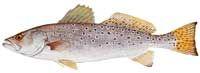
Spotted Weakfish Overview
The Spotted Weakfish (Cynoscion nebulosus) is one of the most sought-after gamefish in the coastal waters of the Gulf of Mexico and throughout the Southeastern United States. Despite its common nickname "spotted seatrout," this remarkable species is actually a member of the Sciaenidae family—the drum fish family—and belongs to the order Perciformes. What makes the Spotted Weakfish so distinctive is its compressed, elongated body adorned with irregular faint spots across its upper half, combined with a metallic silver coloring that transitions from dark grayish-blue on top to tan or white on the belly. Anglers and seafood enthusiasts have cherished this species for decades, and it's easy to see why: these fish are abundant in their native waters, relatively straightforward to catch, and absolutely delicious on the dinner table. From casual fishing trips in Florida to serious expeditions along the Atlantic seaboard, the Spotted Weakfish remains a favorite target for both recreational and commercial fishers seeking an unforgettable experience.
Spotted Weakfish Habitat and Distribution
The Spotted Weakfish is endemic to the Western Atlantic Ocean, with a range stretching from Massachusetts down to South Florida, and it thrives throughout the entire Gulf of Mexico. As a demersal fish—meaning it prefers to stay on or near the ocean floor—this species has developed a sophisticated relationship with its coastal environment. You'll find them hunting in shallow coastal and estuarine waters, over sandy bottoms and seagrass beds at depths reaching up to 33 feet. These fish are adaptable creatures; during warm summer months, they move closer to shore and into shallower waters, but as temperatures drop, they retreat to deeper oceanic zones. The fish favors both salt and brackish water environments, making inlets and estuaries prime hotspots for encounters. Around major fishing hubs like Florida and along the Carolina coastlines, these waters represent reliable year-round destinations for connecting with this exceptional species.
Spotted Weakfish Size and Weight
Most Spotted Weakfish you'll encounter in typical fishing situations measure between 12 to 16 inches in length and weigh somewhere in the 3 to 7 pound range—perfect for a satisfying day on the water. However, these fish have the potential to grow considerably larger. The average maximum size reaches approximately three and a half feet in length with weights around 17 and a half pounds, which would represent an exceptional catch for most anglers. The world record Spotted Weakfish stands at an impressive 17 pounds and 7 ounces, measuring 39 inches long—a trophy taken by Orlando angler Craig Carson off Fort Pierce Inlet in Florida. Understanding these size benchmarks helps anglers set realistic expectations and appreciate the specimen they've worked to land, whether it's a keeper-sized fish or a genuine record-breaker.
Spotted Weakfish Diet and Behavior
The Spotted Weakfish is a masterful ambush predator with a hunting strategy that's both efficient and exciting to witness. These fish are known to lunge at prey that happen to pass through their territory, relying on their large, canine-like teeth to secure their meals. Their diet consists primarily of smaller fish species including anchovies, pinfish, silversides, mullet, croaker, silver trout, snapper, and gobies, supplemented by crustaceans like shrimp. The Spotted Weakfish hunts actively throughout much of the day, moving from the water's bottom to the surface in search of feeding opportunities. This behavior makes them highly responsive to lures and bait presentations, which is one reason why they're so popular among anglers. Beyond humans, these fish face predation from striped bass, alligator gar, barracuda, porpoises, and sharks, as well as seabirds such as cormorants and pelicans. Their average lifespan of 8 to 10 years allows them to develop considerable wisdom and wariness as they mature.
Spotted Weakfish Spawning and Seasonal Activity
The reproductive cycle of the Spotted Weakfish is a fascinating display of seasonal behavior that transforms their habitat. Spawning begins in spring and continues through late summer, with the fish typically engaging in this activity at night. Male Spotted Weakfish are particularly vocal during this period, announcing their presence through distinctive croaking sounds approximately two hours before sunset—a behavior that gives the Sciaenidae family its "drum fish" reputation. While these fish spend most of their lives in oceanic coastal waters, they undergo a significant migration during spawning season, moving into bays and estuaries to reproduce. A single female can produce an astounding 15,000 to 1,100,000 eggs per spawning event, and these eggs hatch within just 18 hours of fertilization. The young Spotted Weakfish form small schools of about 50 individuals, remaining together until they reach juvenile stage, at which point they disperse to their natural nursery habitats including seagrass beds, sandy bottoms, muddy bottoms, and reefs.
Spotted Weakfish Techniques for Observation and Capture
Fly-Fishing and Light Tackle Approach: The Spotted Weakfish is an eager responder to fly-fishing techniques and colorful lures, particularly when in active hunting mode. These fish hunt throughout the water column from bottom to surface, so adding weight to your presentation isn't necessary—the fish will come to your bait once spotted. The key technique is to retrieve slowly at first, making your bait or lure appear as if it's casually swimming through the water. As soon as you detect an approaching fish, accelerate your retrieve slightly to mimic a fleeing prey item; this triggers a more aggressive strike that sets the hook deeper into the fish's mouth. This strategy is crucial because the Spotted Weakfish has a notoriously soft mouth, and hooks can easily pull free if not firmly embedded. Around Florida's coastal rivers and the Gulf of Mexico, experienced guides recommend early morning sessions during the summer months when these fish are most active and aggressive.
Bottom and Shallow Water Fishing: Since Spotted Weakfish are demersal by nature, fishing along sandy bottoms and over seagrass beds—especially in the 10 to 33-foot depth range—yields consistent results. Use medium-weight spinning rods with 10 to 15-pound test line and cast live or cut bait near structure where these fish are likely to ambush prey. Small shiners, shrimp, and mullet chunks work exceptionally well. Fish the shallow estuaries during high tide and the slightly deeper channels during low tide for optimal positioning. Patience and subtle movement of your bait will often outperform aggressive presentations.
Sight Casting in Clear Water: In clear, shallow waters typical of Florida's coastal areas, sight casting to visible Spotted Weakfish can be incredibly rewarding. Polarized sunglasses and a quiet approach allow you to spot feeding fish and present lures or bait directly to them. Small jigs, soft plastics, and topwater plugs create excellent results when accuracy and presentation are prioritized. This visual hunting method transforms fishing from a waiting game into an active, engaging pursuit.
Spotted Weakfish Culinary and Utilization Notes
The Spotted Weakfish has earned its stellar reputation as a table fish through generations of satisfied diners. The meat is known for having an excellent, delicate flavor that stands up beautifully to various cooking methods. Steaming, broiling, and baking are considered the best preparation techniques, allowing the natural taste of the fish to shine without overwhelming heavy sauces. The flesh is firm yet tender, making it versatile for both traditional and contemporary recipes. One noteworthy characteristic anglers should know about is the occasional presence of harmless "spaghetti worms"—parasitic nematodes that look concerning but pose no risk to human consumption and are easily removed during filleting. From a nutritional standpoint, Spotted Weakfish provides excellent protein, omega-3 fatty acids, and essential minerals, making it a healthy choice for seafood enthusiasts. The combination of abundance, ease of capture, and culinary excellence has made this species a cornerstone of both recreational and commercial fishing operations throughout its native range.
Spotted Weakfish Frequently Asked Questions
Q: What is the best bait or lure for catching Spotted Weakfish?
A: Live shrimp, mullet, anchovies, and small shiners are top bait choices. For lures, colorful options including small jigs, soft plastics, and topwater plugs work well. Fly fishers have success with colorful streamers and baitfish patterns. The key is matching your presentation to the natural prey in the area and retrieving at a pace that triggers aggressive strikes.
Q: Where can I find Spotted Weakfish near major fishing destinations?
A: Spotted Weakfish are abundant throughout the Gulf of Mexico, along the Florida coastline, and up the Atlantic seaboard to Massachusetts. In Florida specifically, Fort Pierce Inlet, Tampa Bay, and various coastal rivers provide excellent opportunities. Look for shallow estuaries, seagrass beds, and sandy bottoms in 10 to 33 feet of water during appropriate seasons.
Q: Is Spotted Weakfish good to eat?
A: Absolutely! Spotted Weakfish is considered excellent eating with a delicate, mild flavor. Steam, broil, or bake for best results. The flesh is firm and versatile, making it suitable for various culinary preparations. The only consideration is removing the harmless parasitic worms if present, which is a simple filleting task.
Q: When is the best time to catch Spotted Weakfish?
A: Warm summer months (May through September) represent peak season as fish move to shallower waters and feed more actively. During spawning season (spring through late summer), nighttime fishing can be particularly productive. Early morning and late afternoon sessions often produce excellent results year-round in appropriate habitats.
Q: Why do they call them "weakfish" if they're strong fighters?
A: The name "weakfish" refers to the fish's soft mouth rather than its fighting ability. Despite being active, aggressive hunters, the soft tissue inside their mouth makes hooks prone to pulling free during battle, requiring careful, steady pressure rather than hard, jerky movements when fighting a hooked fish.
Q: What's the world record Spotted Weakfish?
A: The world record stands at 17 pounds and 7 ounces, measuring 39 inches long. This exceptional specimen was caught by Orlando angler Craig Carson off Fort Pierce Inlet in Florida, representing the gold standard for what these remarkable fish can achieve in their native waters.